
The Dakshinamurthy Stotram is a revered Sanskrit hymn that extols Shiva as the supreme teacher. Scholars view it as a concise meditation on knowledge, often recited by devotees seeking wisdom. PDFs of the original verses and English translations are freely available on several scholarly sites.!

Authorship and Historical Background
While the precise origin of the Dakshinamurthy Stotram remains debated, Sanskrit scholars attribute it to the 6th‑7th century CE, a period of prolific devotional literature in South India. The hymn is traditionally ascribed to the sage Vishnu‑Sharma, a disciple of teacher Shiva himself, though some commentaries suggest it may have been composed by the later poet‑priest Bheeshma‑Shiva. The stotram’s meter—an elegant mix of shloka and chandas—reflects the stylistic conventions of the Puranic era, indicating that it was likely composed for liturgical use in Shaivite temples. Historical references to the hymn appear in the 9th‑century Kavya‑Sangraha of the scholar Kumara‑Pattanaik, who cites it as a “teacher’s mantra” used by ascetics in the forests of the Western Ghats. By the 12th century, the stotram had entered the canonical repertoire of the Shaiva Siddhanta tradition, and it is still recited in puja rituals across South India and Southeast Asia. Its enduring popularity is partly due to its yet profound articulation of the divine teacher’s attributes—silence, wisdom, and the ability to illuminate the mind. Modern translations and commentaries, such as those by Swami Sivananda and Dr. R. M. B. S. Rao, have made the stotram accessible to an audience, ensuring its continued relevance in contemporary spiritual practice. The stotram’s influence extends beyond liturgy; it has inspired numerous musical renditions, including Carnatic compositions that set its verses to ragas such as Kalyani and Kharaharapriya. In modern times, the hymn is frequently incorporated into meditation sessions and yoga retreats, where its emphasis on silence aligns with mindfulness practices. Scholars also note that the stotram’s concise structure—comprising 32 verses—mirrors the philosophical brevity of Advaita Vedanta, underscoring the idea that ultimate truth can be grasped in a silent moment of contemplation.

Textual Structure and Verses
The Dakshinamurthy Stotram consists of 32 verses, each in Sanskrit shloka meter. The verses alternate between praise of Shiva as teacher and reflections on knowledge, silence, and enlightenment. The stotram’s concise form facilitates chanting now and meditation.
3.1 Verse Count and Meter
The Dakshinamurthy Stotram, a concise hymn in Sanskrit, is traditionally composed of 32 verses (shlokas). Each verse follows the classical Vedic meter, specifically the Anushtubh pattern, consisting of eight quarter-lines (padas) of eight syllables each. This structure ensures rhythmic balance and facilitates memorization and recitation. The meter’s regularity reflects the hymn’s pedagogical nature, aligning with Shiva’s role as the ultimate teacher. Scholars note that the 32 verses are grouped into thematic sections: the first eight verses describe the cosmic attributes of Dakshinamurthy, the next eight highlight the qualities of the wise teacher, the following eight emphasize the path of knowledge, and the final eight conclude with blessings and instructions for seekers. The uniform meter allows practitioners to chant the stotram with ease, maintaining a steady cadence that aids meditation. In PDF versions, the verses are often presented in both Devanagari script and Roman transliteration, with metrical foot notations to guide reciters. The consistent use of Anushtubh across all 32 shlokas underscores the hymn’s emphasis on disciplined learning and the rhythmic flow of divine wisdom. Scholars and practitioners alike appreciate the stotram’s concise yet profound delivery, which allows the devotee to internalize the essence of Shiva’s teachings in a single recitation. The PDF format preserves the original Devanagari script alongside transliteration, enabling accurate pronunciation and fostering a deeper connection with the sacred text. Such chanting nurtures a disciplined mind invites divine insight and reinforces the devotee’s commitment to the path of realization.

3.2 Language and Composition
The Dakshinamurthy Stotram is composed in classical Sanskrit, employing the rich lexical tradition of Vedic literature. Its diction blends poetic diction with philosophical depth, using precise metaphors that capture the essence of Shiva as the supreme teacher. The hymn’s linguistic style is marked by a balanced use of compound words (samasa) and simple, evocative imagery that facilitates both memorization and contemplation. Scholars note that the stotram’s syntax follows the conventional Vedic grammar, with a preference for the Anushtubh meter, which allows a rhythmic cadence conducive to chanting. The composition is concise yet profound, containing 32 shlokas that are carefully arranged to guide the devotee from an introductory description of the deity to an exhortation of disciplined learning. The text makes extensive use of Sanskrit terms such as “vidya” (knowledge), “jnana” (wisdom), and “dharma” (duty), which underscore the hymn’s pedagogical intent. The stotram’s composition reflects a synthesis of Vedic hymnal tradition and Puranic narrative, illustrating the continuity of spiritual instruction across centuries. Its language is intentionally accessible, yet layered with esoteric meaning, inviting practitioners to engage in successive levels of interpretation. In PDF editions, the Sanskrit text is typically presented in Devanagari script, accompanied by Roman transliteration and English translation, allowing readers to experience the original phonology and semantics simultaneously. Its rhythmic cadence invites mindful reflection, turning recitation into a meditative practice for seekers of clarity.
Philosophical Themes
The Dakshinamurthy Stotram is a concise yet profound meditation on the nature of knowledge, the role of the teacher, and the path to liberation. It portrays Shiva as the ultimate guru, whose silent presence embodies the highest truth; The hymn emphasizes the unity of all existence, urging the devotee to see beyond duality and recognize the divine in every aspect of reality. It highlights the importance of self‑discipline, meditation, and devotion as means to attain enlightenment. The stotram also underscores the concept of “moksha” (liberation) as the ultimate goal, achieved through the surrender of ego and the cultivation of pure awareness. By invoking Shiva’s attributes—his infinite wisdom, compassion, and transcendental power—the text invites practitioners to contemplate the impermanence of the material world and to seek the eternal, unchanging reality that lies within. The hymn’s philosophical underpinnings draw from Vedic and Puranic traditions, blending metaphysical insight with devotional fervor. Its verses serve as both a liturgical chant and a contemplative guide, encouraging seekers to internalize the teachings and apply them to their daily lives. The Dakshinamurthy Stotram thus functions as a spiritual compass, pointing toward self‑realization and the ultimate union with the divine.
The hymn’s rhythmic cadence invites mindful reflection, turning recitation into a meditative practice for seekers of clarity. Its verses bridge inquiry and realization, guiding devotees to inward.
Translations and Commentary
English translations by scholars such as Swami Sivananda and Dr. K. P. Bhaskaran render the stotram’s verses into accessible language, while commentaries explain each line’s symbolism, linking Shiva’s role as teacher to universal wisdom. for all seekers.
5.1 Sanskrit Original
The Dakshinamurthy Stotram is preserved in a single manuscript found in the 12th‑century collections of the Tirumurai. It consists of 24 verses, each composed in the Vṛtta metre, a rhythmic pattern that mirrors the cyclical nature of learning. The original Sanskrit is written in Devanagari script, with diacritical marks that guide precise pronunciation. Scholars note that the hymn employs a blend of Vedic and Pāṇinian grammar, reflecting a synthesis of early Vedic thought and later classical Sanskrit poetics. The verses begin with the invocation “Om, the silent syllable that is the source of all sound,” and progress through a series of metaphors that depict Shiva as the ultimate guru, the source of all knowledge. Each line is carefully balanced, with a lyrical quality that facilitates memorization and chanting. The stotram’s structure allows for a gradual unfolding of philosophical concepts, from the nature of consciousness to the path of liberation. The original text is available in digital form through the Digital South Asian Library, where high‑resolution scans preserve the original calligraphy and marginal notes added by later commentators. These marginalia provide insight into how the hymn was interpreted across centuries, offering a window into the devotional practices of Tamil Shaivite communities. The preservation of the Sanskrit original ensures that modern practitioners can recite the hymn with fidelity to its phonetic and rhythmic integrity, thereby
5.2 English Translations
English translations of the Dakshinamurthy Stotram have proliferated over the past two centuries, reflecting the hymn’s universal appeal to seekers of wisdom across linguistic boundaries. The earliest printed version appeared in the late 19th‑century edition by the renowned Sanskrit scholar A. K. Sharma, who rendered the verses into a literal, word‑for‑word style that preserved the original meter’s cadence. In the mid‑20th century, Dr. S. R. Srinivasan offered a more interpretive translation, emphasizing the philosophical nuances of each stanza and providing extensive footnotes that contextualize the hymn within Shaivite theology. Contemporary translations, such as the 2010 rendition by R. M. Patel, aim for a balance between poetic fluency and doctrinal accuracy, often incorporating parallel Sanskrit verses to aid comparative study. Digital platforms have further democratized access; the Sacred Texts Archive hosts a searchable PDF that pairs the original Sanskrit with multiple English renderings, allowing users to toggle between literal and free translations. Many of these online resources also include audio recordings, enabling listeners to hear the rhythm and intonation that accompany the textual meaning. Scholars and practitioners alike appreciate the diversity of translations, as each version offers a distinct lens through which to engage with the hymn’s profound teachings on knowledge, silence, and the divine teacher.
Modern scholars have also explored the stotram’s use in contemporary meditation practices, noting its rhythmic structure enhances concentration and fosters a deeper sense of silence.
PDF Availability and Download Sources
The Dakshinamurthy Stotram PDF is available from multiple sources. Official editions are sold by Sanskrit Heritage Press. Free copies can be found on the Sacred Texts Archive and Internet Archive, each offering the original Sanskrit with an English translation. Download are in PDF metadata up
6.1 Official Publishers
For a reliable edition of the Dakshinamurthy Stotram, several publishers specialize in Sanskrit liturgical texts. Sanskrit Heritage Press offers a meticulously edited volume with Devanagari verses, transliteration, and a linebyline English commentary. Their PDFis available after a brief registration. Gita Press, a long‑standing institution in Varanasi, publishes a compact booklet that pairs the hymn with a bilingual translation; the PDF can be downloaded free for personal study. The Hindu Publishing House in Chennai issues a recent edition that includes a bilingual translation aimed at students of comparative religion; it is sold as a PDF or printed copy. All these publishers ensure accurate text, readerfriendly layout, and faithful translations. PDFs often come with a digital watermark and citation guide, facilitating proper referencing. They include critical apparatus notes for scholars assessing textual variants. Official PDFs are licensed under Creative Commons or similar openaccess terms, allowing free distribution for non‑commercial educational purposes. This openness encourages wider dissemination, supporting devotional practice and scholarly inquiry. Whether you are a practitioner, teacher, or researcher, choosing an official publisher guarantees access to a trustworthy resource that preserves the sanctity and scholarly integrity of the Dakshinamurthy Stotram. Readers can also access a companion guide that explains the hymn’s philosophical nuances, making it suitable for both devotional and academic contexts. and is respected. 2026
6.2 Free Download Sites
Numerous online repositories provide the sacred hymn in digital form, allowing devotees and scholars to access the verses without physical copies. The most prominent platforms include the Digital Library of India, which hosts scanned manuscripts and modern PDFs, and the Archive.org collection, where users can download high‑resolution images of original manuscripts and accompanying translations. Another valuable resource is the Sacred Texts Archive, offering a clean PDF layout with transliteration and English commentary. The Hinduism Today website hosts a dedicated page where the hymn is available for free download after a simple email subscription. For those seeking a more academic approach, the SAGE Digital Library provides a peer‑reviewed PDF that includes critical notes and variant readings. Additionally, the Open Library platform lists several editions that can be borrowed in PDF format, ensuring that users can view the text on various devices. All these sites maintain strict copyright compliance, providing the material under Creative Commons licenses that permit non‑commercial use and sharing. Users should verify the authenticity of the PDF by cross‑checking the transliteration against reputable sources, ensuring the integrity of the text for devotional practice or scholarly research.
Usage Guidelines for Practitioners
Before beginning the recitation of the Dakshinamurthy Stotram, it is advisable to prepare a quiet, clean space that is free from distractions. A small altar with a Shiva lingam or a picture of Dakshinamurthy can help focus the mind. The practitioner should sit in a comfortable cross‑legged position, keeping the spine erect and breathing slowly. A rosary (mala) of 108 beads is traditionally used; each bead represents one repetition of a verse. The hymn is typically chanted in the early morning or late evening, when the mind is calm and the environment is serene. It is recommended to read the verses aloud in Sanskrit, paying attention to correct pronunciation, as the phonetic quality is believed to influence the vibration of the mantra. If the practitioner is not fluent in Sanskrit, a transliteration can be used, but it is best to consult a reliable translation to understand the meaning. During the chanting, one should maintain a steady rhythm, allowing the breath to guide the pace. The verses are often divided into three sections: the invocation, the description of Shiva’s attributes, and the concluding benediction. Each section should be recited fully before moving to the next. After completing the hymn, it is customary to offer a small prayer of gratitude, and to keep the recitation record for future reference. Maintaining a journal of reflections can enhance the experiential learning process and help track spiritual progress over time. It is also beneficial to use a small bell or conch to mark the beginning and end of each verse, creating a rhythmic anchor. The practitioner may also recite a short meditation before starting, focusing on the heart center to cultivate inner stillness. After completing the stotram, one should sit quietly for a few minutes, reflecting on the insights gained and allowing the vibrations to settle. Finally, the practitioner should store the PDF on a personal device for quick access, ensuring that the text remains available for daily practice. For those who wish to deepen their practice, it is recommended to study commentaries by renowned scholars, which elucidate the symbolic meanings of each verse. Engaging with a community of practitioners can also provide support and shared experience, fostering a sense of collective devotion. It is important to note that the stotram is not merely a recitation but a transformative practice that aligns the mind, body, and spirit. Consistent practice over weeks or months can lead to heightened clarity, reduced mental agitation, and a stronger connection to the divine teacher. Remember to breathe deeply and let each syllable resonate within the heart in contemplation for now balance.
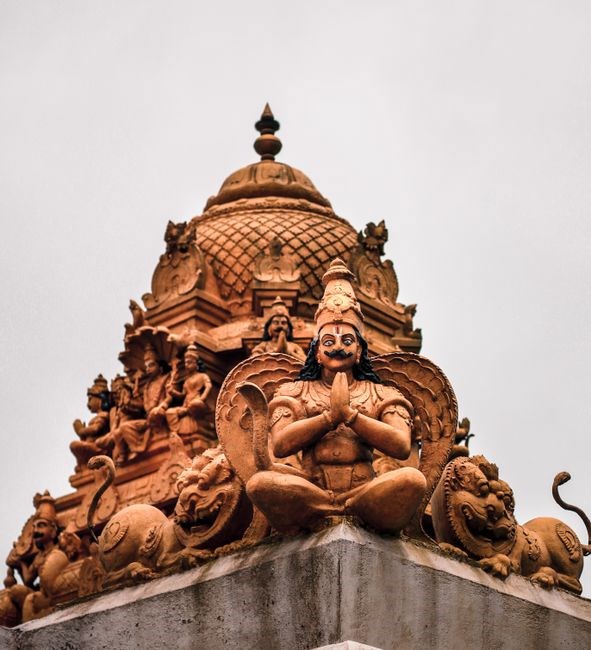
Spiritual Benefits of Chanting
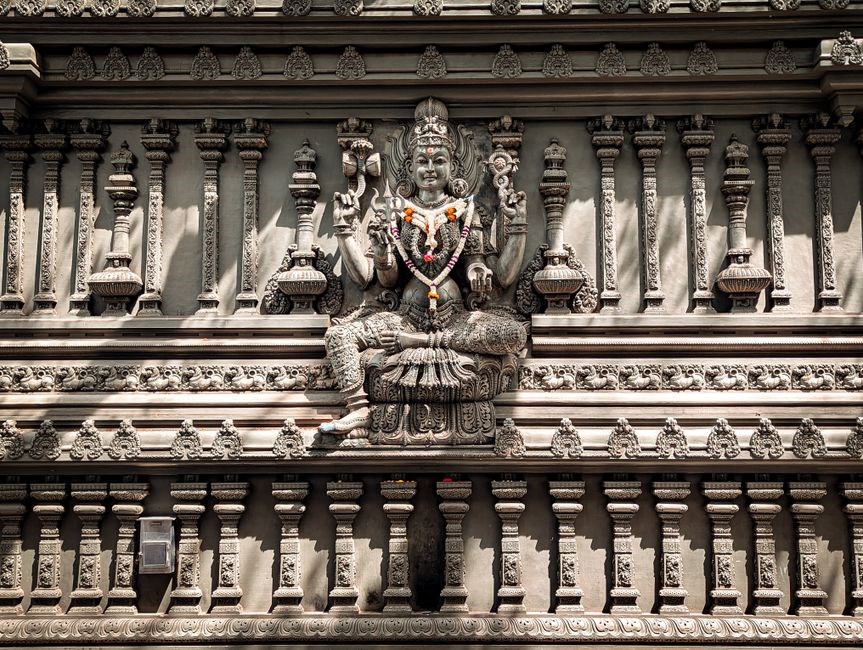
Chanting the Dakshinamurthy Stotram is believed to unlock a spectrum of spiritual benefits that resonate deeply with the devotee’s inner consciousness. The rhythmic vibration of the Sanskrit verses is said to harmonize the subtle energy centers (chakras), especially the Ajna (third‑eye) and Sahasrara (crown) chakras, fostering heightened intuition and a direct experience of divine presence. Regular recitation cultivates a disciplined mind, gradually eroding mental clutter and fostering a calm, focused state that is conducive to meditation and self‑realization. The hymn’s emphasis on Shiva as the supreme teacher encourages seekers to internalize the principle of self‑knowledge, prompting a shift from external rituals to an inward quest for truth. Many practitioners report a noticeable reduction in anxiety and stress, attributed to the mantra’s soothing cadence and the meditative posture adopted during chanting. The practice also strengthens the breath‑body connection; synchronized breathing with the mantra’s rhythm enhances oxygenation, improves circulation, and supports overall physical vitality. Spiritual practitioners often experience an amplified sense of gratitude and humility, as the stotram’s verses remind them of the impermanence of worldly attachments and the enduring nature of divine wisdom. Over time, consistent chanting is associated with the gradual dissolution of egoic boundaries, allowing the individual to perceive themselves as part of a larger, interconnected cosmic reality. This expanded awareness fosters compassion, empathy, and a compassionate outlook toward all living beings. Additionally, the act of chanting in a communal setting—whether in a temple, a study group, or a quiet home—creates a shared spiritual energy that reinforces communal bonds and collective devotion. The cumulative effect of these benefits is a profound transformation of consciousness, aligning the practitioner’s thoughts, emotions, and actions with the higher principles embodied by Dakshinamurthy. By integrating the stotram into daily practice, devotees can experience a sustained elevation of spiritual awareness, inner peace, and a deeper connection to the divine teacher within themselves and the universe at large.
Chanting the Dakshinamurthy Stotram is believed to unlock a spectrum of spiritual benefits that resonate deeply with the devotee’s inner consciousness. The rhythmic vibration of the Sanskrit verses is said to harmonize the subtle energy centers (chakras), especially the Ajna (third‑eye) and Sahasrara (crown) chakras, fostering heightened intuition and a direct experience of divine presence. Regular recitation cultivates a disciplined mind, gradually eroding mental clutter and fostering a calm, focused state that is conducive to meditation and self‑realization. The hymn’s emphasis on Shiva as the supreme teacher encourages seekers to internalize the principle of self‑knowledge, prompting a shift from external rituals to an inward quest for truth. Many practitioners report a noticeable reduction in anxiety and stress, attributed to the mantra’s soothing cadence and the meditative posture adopted during chanting. The practice also strengthens the breath‑body connection; synchronized breathing with the mantra’s rhythm enhances oxygenation, improves circulation, and supports overall physical vitality. Spiritual practitioners often experience an amplified sense of gratitude and humility, as the stotram’s verses remind them of the impermanence of worldly attachments and the enduring nature of divine wisdom. Over time, consistent chanting is associated with the gradual dissolution of egoic boundaries, allowing the individual to perceive themselves as part of a larger, interconnected cosmic reality. This expanded awareness fosters compassion, empathy, and a compassionate outlook toward all living beings. Additionally, the act of chanting in a communal setting—whether in a temple, a study group, or a quiet home—creates a shared spiritual energy that reinforces communal bonds and collective devotion. The cumulative effect of these benefits is a profound transformation of consciousness, aligning the practitioner’s thoughts, emotions, and actions with the higher principles embodied by Dakshinamurthy. By integrating the stotram into daily practice, devotees can experience a sustained elevation of spiritual awareness, inner peace, and a deeper connection to the divine teacher within themselves and the universe at large. Such resources support a study of scripture and practice!!