Barbering is an art that transforms appearances and boosts confidence. It requires creativity and precision‚ combining classic techniques with modern trends to create personalized‚ stylish looks for everyone.
Understanding the Basics of Barbering
Mastering the fundamentals of barbering involves understanding essential tools‚ techniques‚ and principles. Key tools include clippers‚ scissors‚ razors‚ and combs‚ each serving specific purposes. Techniques like fading‚ tapering‚ and layering form the foundation of modern barbering. Understanding hair types‚ head shapes‚ and growth patterns is crucial for tailored cuts. Proper tool maintenance and hygiene practices ensure safety and precision. Grasping these basics allows barbers to adapt to various styles‚ from classic cuts to contemporary designs‚ ensuring versatility and excellence in every haircut.
Importance of Barbering Techniques
Barbering techniques are vital for delivering precise‚ professional haircuts that meet client expectations. They ensure consistency‚ transform hair into stylish designs‚ and boost client confidence. Mastering techniques like fading and tapering allows barbers to create seamless transitions‚ enhancing the overall look. Proper methods also maintain hair health and prevent damage. Techniques adapt to trends‚ ensuring barbers stay relevant. They build trust and loyalty‚ as clients appreciate the skill and artistry behind a flawless haircut. Elevating techniques continuously improves service quality‚ making them indispensable in the barbering world.

Essential Barbering Tools
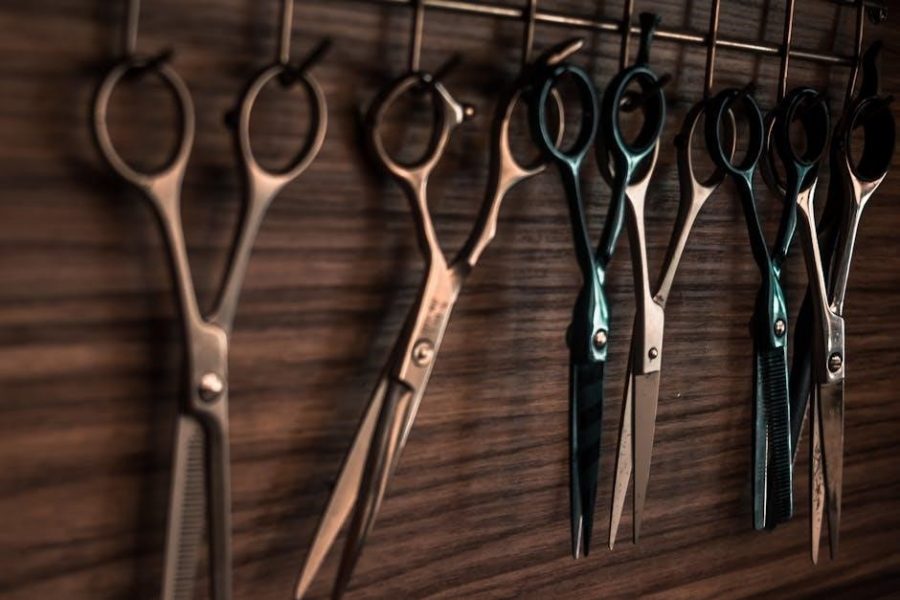
Essential barbering tools include clippers‚ scissors‚ razors‚ combs‚ brushes‚ and chairs. These tools are vital for achieving precise cuts‚ fades‚ and professional grooming results.
Clippers and Their Uses
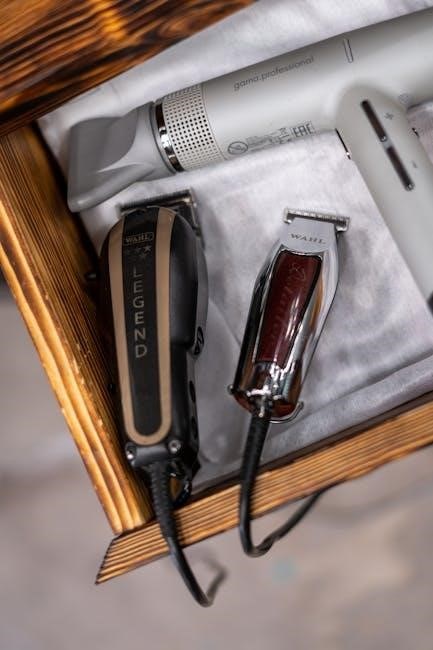
Clippers are a fundamental tool in barbering‚ essential for cutting hair to precise lengths. They come in various types‚ including rotary and magnetic‚ each suited for different techniques. Used for fades‚ tapers‚ and bulk hair removal‚ clippers offer versatility and efficiency. Adjustable guard sizes enable barbers to achieve consistent cuts‚ from short buzzes to longer styles. Regular maintenance‚ like oiling and cleaning‚ ensures optimal performance. Clippers are indispensable for creating sharp‚ defined lines and seamless transitions in haircuts‚ making them a cornerstone of modern barbering practices.
Scissors and Razors
Scissors and razors are essential tools in barbering‚ offering precision and versatility. Scissors are used for detailed styling‚ enabling barbers to craft unique‚ personalized looks. They are ideal for cutting longer hair‚ layering‚ and texturizing. Razors‚ particularly straight razors‚ are crucial for techniques like skin fades and straight shaves‚ providing a clean‚ sharp finish. Both tools require skill and maintenance to ensure optimal performance. They are integral to achieving the perfect blend of classic and modern hairstyles‚ making them indispensable in every barber’s toolkit.
Combs and Brushes
Combs and brushes are vital tools in barbering‚ ensuring precision and control. Combs are used to guide clippers and scissors‚ helping achieve smooth transitions and even cuts. They come in various sizes for different techniques‚ like fades and layering. Brushes‚ such as paddle or round brushes‚ are essential for detangling hair‚ blow-drying‚ and creating sleek finishes. Together‚ they enhance accuracy and style‚ allowing barbers to craft polished‚ professional looks. Proper use of combs and brushes elevates the barbering experience‚ making them indispensable for achieving flawless results.

Barbering Techniques
Barbering techniques blend precision and creativity‚ transforming haircuts through fades‚ layering‚ and texturizing. Essential tools like clippers and scissors enable barbers to craft classic to modern styles.
Fading and Tapering
Fading and tapering are essential barbering techniques that create smooth transitions between different hair lengths. Fading involves gradually reducing hair length‚ while tapering produces a precise‚ sharp edge. These methods are fundamental for modern and classic hairstyles‚ ensuring a polished‚ professional finish. The clipper-over-comb technique is often used to achieve these effects‚ allowing for precise control and seamless blending. Mastering fading and tapering enhances facial features and personal style‚ making them indispensable skills for barbers. Proper tool selection and practice are key to executing these techniques flawlessly‚ ensuring versatility for various hair types and client preferences.
Scissor Over Comb Method
The scissor over comb method is a fundamental barbering technique that ensures precise‚ even cuts. By placing a comb at the desired hair length‚ barbers can guide scissors to create uniform layers or blend areas seamlessly. This method is ideal for achieving natural-looking transitions and maintaining consistent lengths. It is particularly useful for detailing and refining cuts‚ especially around the ears and neck. Mastery of this technique enhances accuracy and control‚ making it a cornerstone skill for barbers aiming to deliver polished‚ professional results tailored to individual styles and preferences.
Clipper Over Comb Technique
The clipper over comb technique is a versatile method for achieving precise cuts and defined edges. By placing a comb at the desired length‚ barbers can guide clippers to create seamless blends and uniform layers. This technique is particularly effective for fading‚ tapering‚ and shaping around the ears and neck. It allows for efficient cutting while maintaining control‚ making it ideal for both DIY enthusiasts and professionals. The comb acts as a protective barrier‚ ensuring even results and preventing accidental cuts‚ making it a cornerstone technique for modern barbering and styling needs.

Beginner’s Guide to Barbering
Mastering barbering starts with understanding basic tools and techniques. Practice essential skills like fading and blending‚ while building confidence through hands-on experience and client interaction.
Common Challenges for New Barbers
New barbers often face challenges mastering fundamental techniques like fading and blending. Understanding guard sizes and proper clipper usage can be daunting. Building confidence in client interactions and adapting to diverse hair types and preferences are also key hurdles. Many struggle with maintaining consistency and precision‚ especially when handling tricky cuts. Additionally‚ staying updated with trends while developing a personal style can be overwhelming. Overcoming these challenges requires patience‚ practice‚ and a willingness to learn from mistakes‚ ensuring a strong foundation for a successful barbering career.
Mastering Basic Haircutting Skills
Mastering basic haircutting skills is foundational for every barber. Start by understanding essential tools like clippers‚ scissors‚ and combs. Practice fundamental techniques such as scissor-over-comb and clipper-over-comb methods to achieve precise cuts. Pay attention to hair texture‚ length‚ and head shape to tailor cuts effectively. Begin with simple styles‚ gradually progressing to more complex designs. Consistent practice and patience are key to refining your craft. Building a strong foundation in these skills ensures confidence and competence‚ allowing you to deliver high-quality haircuts and establish a loyal client base.
Advanced Barbering Skills
Advanced barbering involves mastering techniques like layering‚ texturizing‚ and precision fades. These methods enhance hair texture‚ create dynamic styles‚ and cater to individual preferences for a polished finish.
Layering and Texturizing
Layering and texturizing are advanced techniques that add depth and dimension to haircuts. Layering involves cutting hair at varying lengths to create movement and flow‚ while texturizing removes bulk and adds grit. These methods enhance natural hair texture‚ making styles appear more dynamic. Barbers use thinning scissors‚ razors‚ or specialized clippers to achieve these effects. Understanding hair density and growth patterns is crucial for seamless integration. Proper layering and texturizing can elevate a basic cut into a personalized‚ high-end look that complements the client’s features and lifestyle‚ ensuring a polished‚ professional finish every time.
Mastering the Skin Fade
Mastering the skin fade requires precision and skill to achieve a seamless transition from hair to skin. This technique involves cutting hair extremely close to the scalp‚ creating a sharp‚ defined look. Barbers use clippers with no guard attachment to blend the hairline‚ ensuring a natural finish. Proper tools‚ such as high-quality clippers‚ are essential. Maintaining consistent pressure and angle is key to avoiding unevenness. Regular practice helps refine the technique‚ making it a staple in modern barbering. A well-executed skin fade enhances any hairstyle‚ offering a clean‚ polished appearance that’s both stylish and timeless.
Client Consultation and Communication
Effective communication is key to understanding client needs‚ ensuring satisfaction‚ and building loyalty. A thorough consultation helps tailor hairstyles to personal preferences and facial features perfectly.
Understanding Client Needs
Understanding client needs is crucial for delivering exceptional barbering services. A thorough consultation ensures personalized results‚ considering facial features‚ hair type‚ and lifestyle preferences. Active listening helps identify expectations‚ while clear communication builds trust. Asking detailed questions about desired styles and preferences ensures precision. Knowledge of current trends and classic techniques allows tailoring cuts to individual tastes. Recognizing hair texture‚ density‚ and growth patterns is vital for achieving flattering looks. Managing expectations and offering expert advice fosters satisfaction and loyalty. This approach ensures every client leaves feeling confident and valued‚ with a hairstyle that reflects their unique identity and personal style perfectly.
Building a Loyal Clientele
Building a loyal clientele requires consistency‚ quality‚ and personalized service. Delivering exceptional haircuts tailored to individual preferences fosters trust and satisfaction. Maintaining a clean‚ welcoming environment and staying updated on trends enhances client experience. Reliability and adaptability in meeting client needs encourage repeat visits. Offering expert advice and ensuring clear communication strengthens relationships. A loyal clientele is built on trust‚ professionalism‚ and a commitment to excellence‚ creating long-term partnerships and a strong reputation for your barbering skills and dedication to client satisfaction.